
Checklists
The Estate Cleanout Checklist: A Room-by-Room Guide

Clearing out a loved one's home is rarely just a logistics problem — it's an emotional one wearing a logistics costume. Having an actual checklist to work through helps in both directions: it keeps the important things from getting lost in the shuffle, and it gives you a clear stopping point each day instead of an endless, undefined task. This is the same room-by-room approach we use on our own estate cleanout jobs around the Denver metro.
Before you touch a single box
Locate wills, deeds, financial paperwork, insurance documents, and anything sentimental — photos, letters, jewelry — before any general sorting starts. These are almost always the things people regret losing track of, and they're easy to miss once boxes start moving. Pull them out of the house entirely and set them aside somewhere separate.
The room-by-room checklist
Kitchen
Check for anything expired first (freezer and pantry), then sort cookware, dishware, and small appliances into keep, donate, or dispose. Working appliances in good shape are almost always donatable — see our appliance recycling guide for what happens to the ones that aren't.
Bedrooms and closets
Clothing, linens, and personal items take the longest here, mostly because of the decisions involved rather than the physical volume. Furniture — dressers, bed frames, nightstands — is usually straightforward to sort once the personal items are cleared out. Our furniture donation guide covers what's typically accepted around Denver.
Living and common areas
Furniture, electronics, and décor tend to be the bulk of the volume in these rooms. Decide early which large pieces are being kept by family versus donated or hauled — that decision drives everything else about how the room gets cleared.
Garage, basement, and attic
These are usually where things have piled up longest, and where the heaviest, bulkiest items live — tools, holiday decorations, old furniture that got relegated years ago. Give yourself more time here than you think you'll need.
Off-site storage units
If the estate includes a storage unit in addition to the home, treat it as its own project with its own timeline — our storage unit cleanout guide walks through how those typically get sorted and cleared, and our storage unit cleanout service can handle it on its own schedule when you're ready.
Sorting into keep, donate, sell, dispose
Four simple categories keep decisions moving: items family members are keeping, items in good enough shape to donate or sell, and items that are genuinely done. Anything still usable — furniture, housewares, working appliances — gets set aside for local donation centers and nonprofits before the rest is disposed of, and it's worth applying that same standard as you sort, even before a crew is involved.
Coordinating with family, realtors, and attorneys
Estate cleanouts often involve people who aren't in town, and decisions that need more than one person's sign-off. We regularly coordinate directly with realtors, attorneys, and estate managers on scheduling and access, which takes some of that coordination burden off family members who may be managing this from out of state.
When to bring in professional help
If the home needs to be cleared on a deadline — ahead of a closing date, for example — or if the volume is more than a family can reasonably move on their own, that's the point to call in a crew rather than trying to push through it solo. It's also worth it any time the physical toll of sorting and hauling is adding to an already difficult process.
What it typically costs
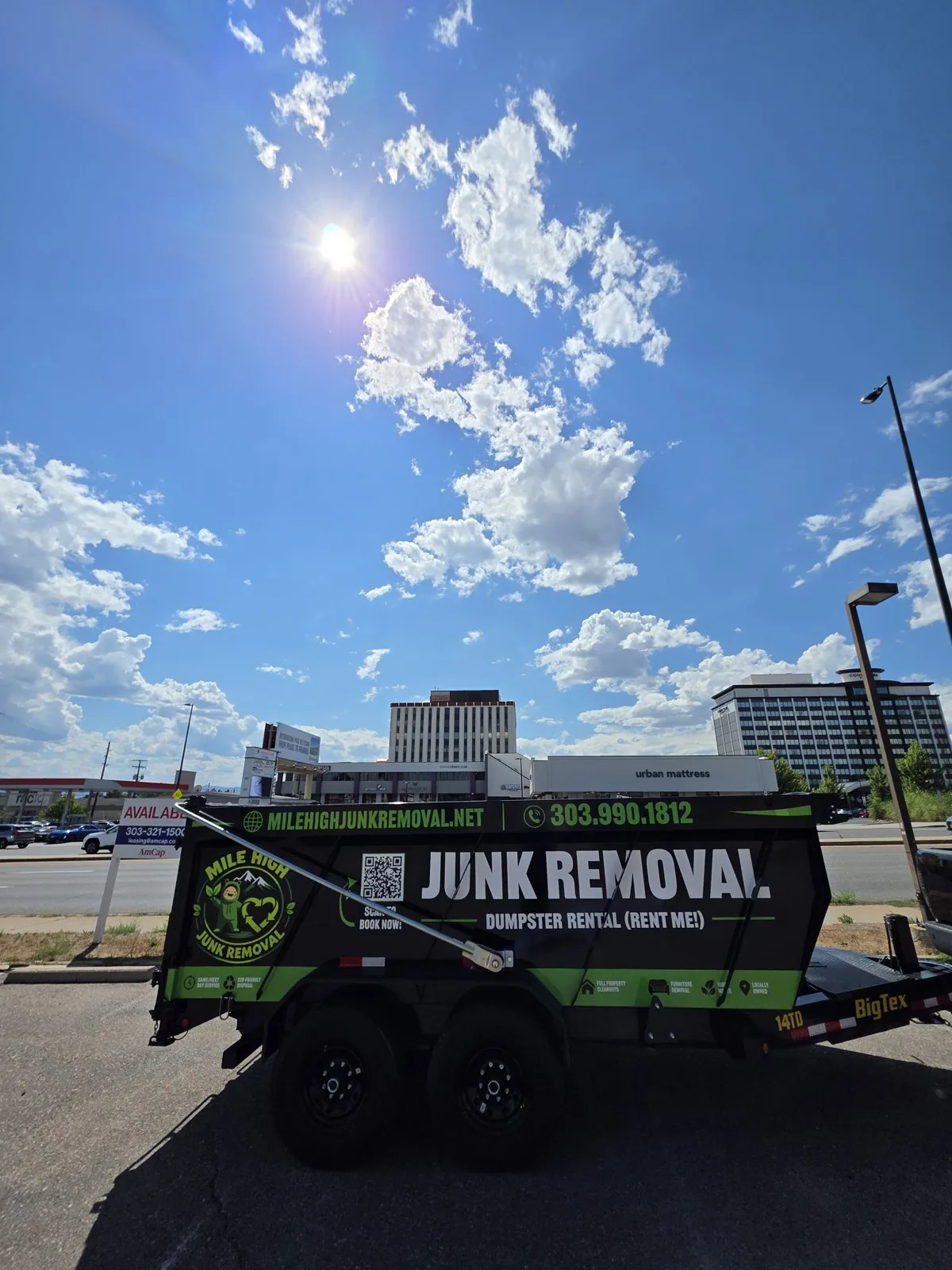
Estate cleanouts are priced the same way as everything else we do — by how much trailer space the contents fill, from $100 to $600 per load. Full-home estates usually land in the upper end of that range or run multiple loads; our full cost guide has real examples. Text us a few photos, or have the realtor loop us in directly, and we'll put together an honest estimate before anything is scheduled, or book online to get the process started.
Common questions
Estate cleanout checklist FAQ
Where should I actually start with an estate cleanout?
Start with documents and valuables, not furniture. Locate wills, financial papers, jewelry, and anything sentimental before any large-scale sorting or hauling begins, so nothing important gets swept up by accident.
What should I do with important documents before anything is hauled away?
Pull them out of the house entirely and store them somewhere separate before a cleanout crew arrives — filing cabinets, desk drawers, and boxes in closets are the most common places paperwork gets missed.
Will you work directly with the realtor or attorney handling the estate?
Yes — we regularly coordinate directly with realtors, attorneys, and estate managers on timing and access, not just family members, which is especially helpful when family lives out of state.
What happens to furniture and belongings that are still in good condition?
Anything still usable — furniture, housewares, working appliances — gets set aside for local donation centers and nonprofits before the rest is disposed of. A lot of what looks like "just stuff" is exactly what another household needs.
How long does a full estate cleanout typically take?
Most single-family homes are cleared in one visit, though larger estates or homes with a garage, basement, and attic all packed full sometimes need a second pass — we'll tell you upfront if that's likely.
What if there's a storage unit involved along with the house?
We handle those too, and price them the same way — by how much space the contents take up. See our storage unit cleanout guide for what that typically looks like.
How much does an estate cleanout cost in the Littleton area?
It depends on the size of the home and how much is being cleared, but most full-home estate cleanouts fall in the upper end of our trailer-load pricing — see our full cost guide for the complete breakdown.
Do I need to be present for the entire cleanout?
Not necessarily. As long as access, sorting instructions, and any items to keep are clearly worked out ahead of time — often through the realtor or attorney — we can complete the job without you on-site the whole time.
Reclaim your space today
Call or text 303-990-1812 for a free estimate — let us haul your stress away.